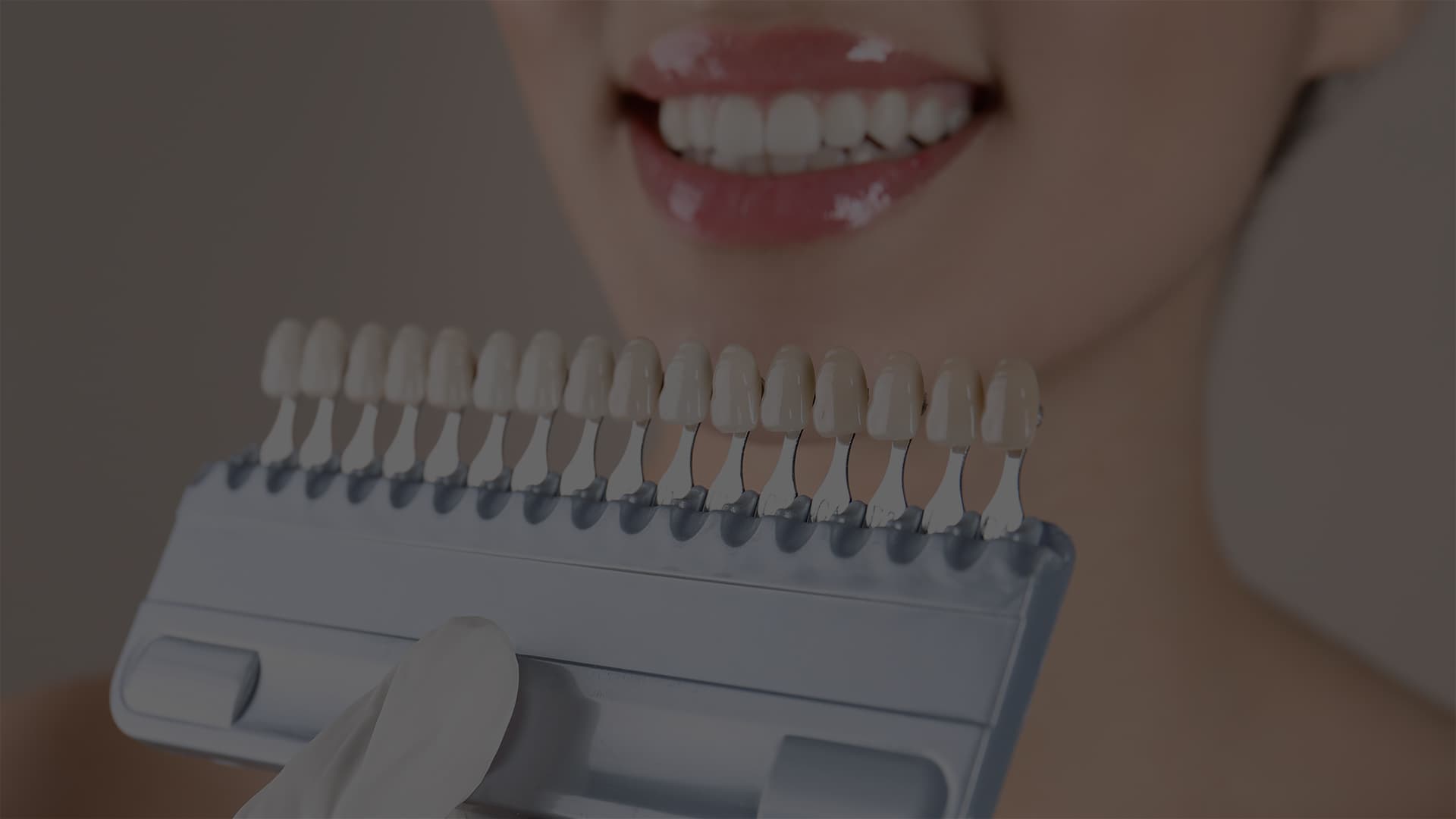
Veneers are thin, custom-made shells bonded to the front of your teeth to change their color, shape, size or length. A set of well-designed veneers can close gaps, cover chips and stains that whitening cannot reach, and even out teeth that are worn, uneven or slightly crooked. At Applemint in Beverly Hills, our cosmetic dentists design each case around your face, your bite and the look you want, whether that is a subtle refresh of one or two teeth or a complete smile makeover with porcelain, composite or Lumineers veneers.
Benefits
- Changes color, shape and length in one treatment
- Covers deep stains that whitening cannot lift
- Porcelain resists staining from coffee, tea and red wine
- Designed to suit your face, lips and gum line
- Minimal-preparation options that keep more of your natural tooth
- Planned by two cosmetic dentists with USC training
Types of Veneers We Offer
- Porcelain veneers. Made in a dental laboratory from thin ceramic. They reflect light much like natural enamel, resist staining and are the most durable option, which makes them the choice for most full smile makeovers.
- Composite veneers. Tooth-colored resin shaped and bonded directly to your teeth, usually in a single visit. They need little or no removal of enamel and are easier to repair, but they are less stain-resistant and do not last as long as porcelain.
- Lumineers. A brand of ultra-thin porcelain veneer that can often be placed with little or no reshaping of your natural teeth. They suit teeth that are small, spaced or worn rather than teeth that need significant changes.
We will recommend a material after looking at your teeth, your bite and your goals, and many plans combine options.
Are Veneers Right for You?
Veneers are a good fit if you have healthy teeth and gums and want to change how your smile looks. They are often used for:
- Chipped, worn or uneven front teeth
- Deep stains, including tetracycline or fluorosis staining, that whitening does not fully fix
- Small gaps between teeth
- Teeth that look too short, too small or oddly shaped
- Mildly crooked teeth, when you prefer not to straighten them first
Veneers may not be the best first step if you have active decay or gum disease, heavy grinding or clenching, or significantly crooked teeth. In those cases we may recommend treating the problem first, protecting your teeth with a night guard, or straightening with Invisalign before designing veneers.
Veneers Compared with Other Options
- Whitening. Brightens natural teeth without changing their shape. If color is your only concern, KöR whitening is less invasive than veneers.
- Bonding. Tooth-colored resin added to fix a single chip or gap. Quicker and less involved, but it stains and wears faster than porcelain.
- Crowns. Cover the whole tooth and are used when a tooth is heavily filled, cracked or weak. Veneers cover only the front surface and keep more of your natural tooth.
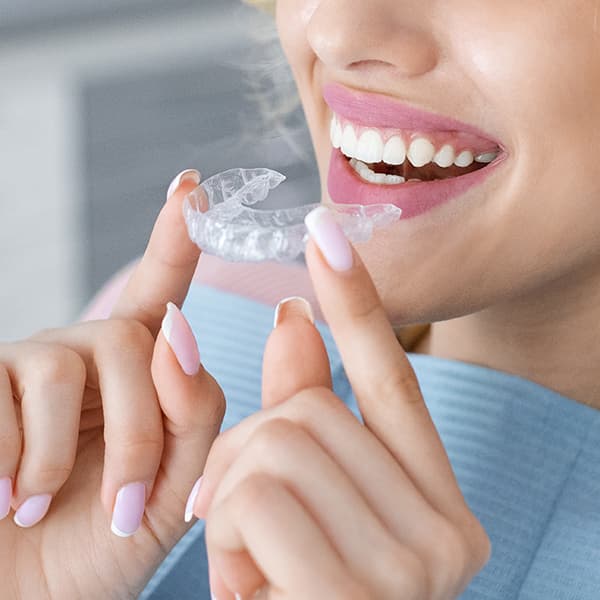
- Invisalign. Moves teeth into better positions. Straightening first can mean less reshaping for veneers later, or no veneers at all.
Planning a Natural-Looking Smile
The best veneers do not look like veneers. We take photos and a digital scan, then plan the shape, length and shade of each tooth to suit your face, lip line and skin tone rather than a one-size-fits-all bright white. Before anything is permanent, we can often show you a preview of your new smile so you can see and approve the design.
Because porcelain veneers usually require removing a thin layer of enamel, treatment is generally not reversible. We take time to make sure you understand that and are happy with the plan before we begin.
Caring for Your Veneers
Brush twice a day with a non-abrasive toothpaste, floss daily and keep your regular cleanings and exams. Avoid biting hard objects such as ice, pens or fingernails, and do not use your teeth to open packages. If you grind or clench at night, a custom night guard protects both your veneers and your natural teeth.
With good care, porcelain veneers often last 10 to 15 years or longer, and composite veneers usually 5 to 7 years before they need touching up or replacing.
The Process, Step by Step
Smile consultation
We examine your teeth and gums, talk through what you would like to change and take photos and an iTero scan.
Smile design
We plan the shape, length and shade of each veneer and, where possible, show you a preview before any preparation.
Preparation
For porcelain veneers, we numb the area and gently reshape a thin layer of enamel, then take a precise scan for the lab. Temporary veneers protect your teeth while you wait, if needed.
Fabrication
A dental laboratory crafts your porcelain veneers to our design. Composite veneers skip this step and are shaped directly in the office.
Bonding and adjustments
We check the fit, color and bite, bond your veneers in place and polish them. A follow-up visit makes sure everything feels right.
Your Veneers Dentists


Frequently Asked Questions
- What's the difference between porcelain and composite veneers?
- Porcelain veneers are made in a lab, resist stains and last longer, but usually need some enamel removed. Composite veneers are shaped directly on your teeth, need little or no enamel removal and are easier to repair, but they stain and wear sooner.
- How long do veneers last?
- Porcelain veneers often last 10 to 15 years or more with good care. Composite veneers usually last 5 to 7 years. Grinding, biting hard objects and skipping cleanings all shorten their life.
- Do veneers look natural?
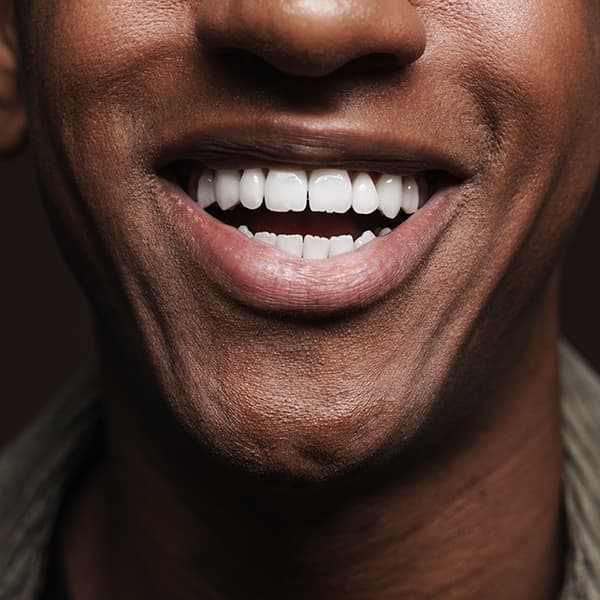
- Yes, when they are well designed. We match the shape, translucency and shade to your face and neighboring teeth so they look like healthy natural teeth rather than a uniform white.
- Does getting veneers hurt?
- Most patients feel little discomfort. We numb the area before preparing your teeth, and any sensitivity afterward is usually mild and short-lived.
- Are veneers permanent?
- Porcelain veneers are considered permanent because a thin layer of enamel is usually removed, so your teeth will always need some kind of covering. Minimal-preparation options such as Lumineers and composite veneers remove less or no enamel.
- How many veneers do I need?
- It depends on your goals and your smile. Some patients need one or two to fix a chip or gap, while others choose six to ten across the teeth that show when they smile. We will recommend a number that looks balanced.
- Can veneers be whitened?
- No. Porcelain does not respond to whitening. If you want brighter teeth overall, we whiten your natural teeth first and then match your veneers to the new shade.
- What are Lumineers?
- Lumineers are a brand of ultra-thin porcelain veneer that can often be placed with little or no reshaping of your natural teeth. They work best for small changes, such as closing gaps or lengthening short teeth.
Ready to get started?
Schedule a consultation to discuss your Veneers options.