
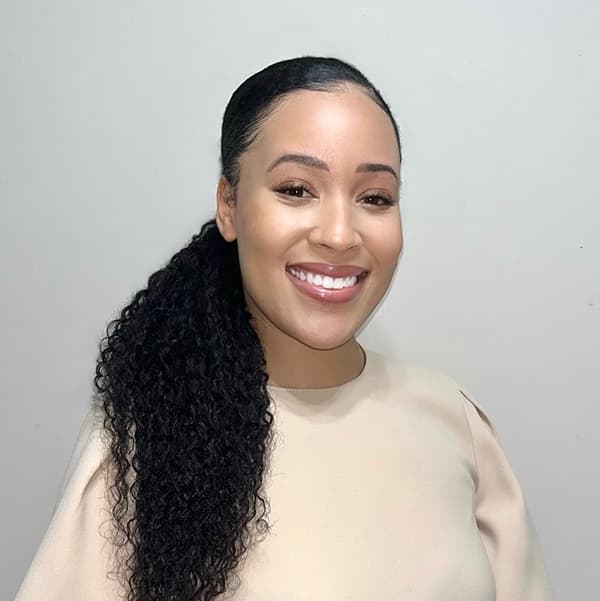
A child's early dental visits shape how they feel about the dentist for years to come. At Applemint in Beverly Hills, pediatric care is led by Dr. Janelle Boyce, our family concierge dentist, who sees patients of every age, from a baby's first visit to the grown-ups who bring them. We keep visits short, friendly and unhurried, with gentle exams, cleanings and fluoride treatment, early orthodontic monitoring and plenty of practical guidance for parents. The goal is simple: healthy teeth now, good habits that last, and a child who walks in without fear.
Benefits
- A calm, gentle approach for young and anxious children
- First visits that introduce the dentist in a relaxed, playful way
- Cleanings and fluoride treatment to help prevent cavities
- Early orthodontic evaluation and monitoring as your child grows
- Practical advice for parents on brushing, diet and habits
- Back-to-back family visits coordinated through concierge care
Why Baby Teeth Matter
It is easy to think of baby teeth as temporary, but they do important work. They help your child chew a full range of foods, learn to speak clearly and smile with confidence. They also hold space in the jaw for the adult teeth growing underneath, which helps guide those teeth into place.
Cavities in baby teeth are common, and they can cause pain, infection and missed school days just as they do in adults. Decay in a baby tooth can also affect the adult tooth developing beneath it. Caring for baby teeth from the start protects your child's comfort today and their smile later.
Your Child's First Dental Visit
The American Dental Association and the American Academy of Pediatric Dentistry both recommend a first dental visit by age one, or within six months of the first tooth appearing. That may sound early, but a first visit is mostly about getting comfortable and catching problems before they start.
For very young children, the exam is often done with your child sitting on your lap. Dr. Boyce counts teeth, checks the gums and bite, looks for early signs of decay and talks with you about teething, brushing, feeding and habits. There is no rush and no pressure. If your child needs a moment, we take it.
To help the day go smoothly, schedule the visit at a time when your child is usually rested, talk about the dentist in a positive way, and bring any questions you have written down.
Building Healthy Habits at Home
Most of what keeps a child's teeth healthy happens at home. These are the basics we review with families:
- Fluoride toothpaste. For children under 3, use a smear of fluoride toothpaste about the size of a grain of rice. From ages 3 to 6, use a pea-sized amount, and teach your child to spit rather than swallow.
- Brushing help. Brush twice a day, and help with brushing until your child can do a thorough job alone, usually well into the early school years. Start flossing once teeth touch.
- Sugary drinks and snacks. Limit juice, soda and sweets, and save treats for mealtimes rather than all-day sipping or grazing. Water is the best drink between meals.
- No bottle at bedtime. Putting a child to bed with a bottle of milk, formula or juice bathes the teeth in sugar overnight. If your child needs a bottle to sleep, use plain water.
- Thumb sucking and pacifiers. These habits are normal in babies and toddlers, and most children stop on their own. If the habit continues as adult teeth come in, it can affect how the teeth and jaw develop, so we can talk with you about gentle ways to help your child stop.
Early Orthodontic Evaluation
The American Association of Orthodontists recommends that children have an orthodontic check by around age 7. By then, a mix of baby and adult teeth lets a dentist spot issues such as crowding, crossbites or a jaw that is growing unevenly.
Most children do not need treatment at that age. An early evaluation simply means we can monitor growth over time, explain what we see and let you know if and when a referral or treatment makes sense. Finding issues early often gives you more options.
A Gentle Approach for Anxious Children
Some children are nervous about new places, bright lights or unfamiliar sounds. We explain each step in simple, friendly words, let your child see and touch the tools first, and move at their pace. Short, positive visits build trust, and that trust makes every future appointment easier.
You know your child best, so tell us what helps them feel safe, whether that is a favorite toy, a parent close by or a quiet moment before we begin.
Protecting Growing Smiles
Beyond cleanings and fluoride, there are other ways to protect your child's teeth as they grow. If your child plays sports, a mouthguard can help protect the teeth and mouth from injury. You can also ask us about sealants and whether they may be helpful for your child's back teeth. For families who want visits planned around school and work, concierge care lets you book siblings and parents back to back with one coordinator for everyone.
The Process, Step by Step
Welcome and familiarization
We greet your child, show them around and let them meet the team before anything happens in the chair.
Gentle exam
Dr. Boyce checks your child's teeth, gums, bite and jaw growth, explaining each step in kid-friendly language.
Cleaning and fluoride
We gently clean the teeth and apply a fluoride treatment to help strengthen enamel and prevent cavities.
Talk with parents
We share what we found and review brushing, diet and habits, with time for all of your questions.
A plan for your child
We create a personalized care plan, including when to return and when orthodontic monitoring should begin.
Your Pediatric Dentistry Dentist
Frequently Asked Questions
- When should my child first see a dentist?
- The American Dental Association and the American Academy of Pediatric Dentistry recommend a first visit by age one, or within six months of the first tooth appearing.
- How much toothpaste should my child use?
- For children under 3, use a smear of fluoride toothpaste about the size of a grain of rice. From ages 3 to 6, use a pea-sized amount, and supervise brushing so your child spits out the extra.
- How do you help anxious children?
- We take a gentle, unhurried approach, explain everything in simple terms, let children see the tools first and keep visits positive. Parents are welcome to stay close by.
- Is thumb sucking a problem?
- It is normal in young children, and most stop on their own. If the habit continues once adult teeth start coming in, it can affect the teeth and bite, so mention it at your child's visit and we can suggest ways to help.
- When should my child have an orthodontic check?
- The American Association of Orthodontists recommends a check by around age 7. Most children will not need treatment then, but an early look lets us monitor growth and spot issues sooner.
- Does my child need a mouthguard for sports?
- A mouthguard is a good idea for contact sports and activities where falls or collisions are likely. Ask us at your child's visit about the right type of mouthguard.
- Can I schedule my whole family together?
- Yes. Dr. Boyce sees patients of every age, and families can book back-to-back appointments. With concierge care, one coordinator can manage visits for everyone.


Ready to get started?
Schedule a consultation to discuss your Pediatric Dentistry options.