
Invisalign straightens teeth with a series of clear, removable aligners instead of brackets and wires. Each set is custom-made from a 3D scan of your mouth and moves your teeth a little at a time toward a plan you can preview before you start. At Applemint in Beverly Hills, Dr. Helene Julius plans and supervises your treatment from the first iTero scan to your final retainer, so you can straighten your smile without most people noticing you are wearing anything at all.
Benefits
- Clear aligners that are hard to notice in conversation or photos
- Removable for meals, brushing and flossing, so there are no food rules
- Digital iTero scan instead of messy impressions
- A 3D preview of how your teeth are planned to move before you commit
- Smooth plastic with no brackets or wires to irritate your cheeks
- Fewer office visits than traditional braces
What Invisalign Can Correct
Invisalign treats most of the same problems as braces. Common reasons patients come to us include:
- Crowded teeth. Overlapping or twisted teeth that are hard to clean and can wear unevenly.
- Gaps between teeth. Spaces that can trap food and make gums more prone to problems.
- Overbite, underbite and crossbite. Bite problems that can cause uneven wear, jaw strain or chipped teeth.
- Open bite. Front teeth that do not meet when you bite down.
- Teeth that shifted after braces. A short course of aligners can often bring teeth back into line.
Very complex bite problems or significant jaw discrepancies may be better treated with braces or with help from an orthodontist. We will tell you honestly at your consultation whether Invisalign is the right fit.
Invisalign Compared with Braces
Both straighten teeth well. The differences come down to how treatment fits your life.
- Appearance. Aligners are clear and hard to spot; braces are visible unless placed behind the teeth.
- Eating. You take aligners out to eat, so nothing is off-limits. Braces rule out hard, sticky and chewy foods.
- Cleaning. You brush and floss normally with aligners out. Braces take extra time and tools to clean around.
- Comfort. Aligners are smooth plastic. Brackets and wires can rub your cheeks and need adjusting.
- Responsibility. Aligners only work when you wear them, about 20 to 22 hours a day. Braces work without you having to remember them.
Living with Your Aligners
Most patients adjust within the first week. You may notice a slight lisp for a day or two and some pressure each time you switch to a new set, which is a sign the aligners are working and usually fades within a couple of days.
Take your aligners out to eat and to drink anything other than plain water, then brush before putting them back in so food and sugar are not trapped against your teeth. Rinse your aligners and clean them gently each day. Keep them in their case when they are out of your mouth, since most lost aligners end up wrapped in a napkin.
Invisalign as Part of a Smile Makeover
Straightening often comes first in a larger plan. Aligned teeth whiten more evenly, and if you are considering veneers, moving teeth into a better position first can mean less reshaping of natural tooth structure. Many Applemint patients finish Invisalign with KöR whitening for a straight, bright result, and we can plan the whole sequence with you from the start.
Keeping Your Results
Teeth naturally tend to drift back toward where they started, especially in the first year. That is why every Invisalign treatment ends with a retainer. At first you may wear it most of the day, then usually only at night. Wearing it as directed is the single best way to protect the smile you worked for.
The Process, Step by Step
Consultation and iTero scan
Dr. Julius examines your teeth and bite, talks through your goals and takes a quick 3D scan with our iTero scanner, with no impression trays.
Your 3D treatment plan
We map how each tooth will move and show you a 3D preview of your planned result and the estimated number of aligners.
Your first aligners
We fit your first set and, if your plan calls for them, bond small tooth-colored attachments that help the aligners grip and move specific teeth.
Wear and switch
You wear your aligners about 20 to 22 hours a day and move to a new set every one to two weeks, as directed.
Check-ins every few weeks
Short visits let us confirm your teeth are tracking to plan and make refinements if needed.
Retainer
When your teeth reach their final position, we remove any attachments and provide a retainer to hold your new smile in place.
Invisalign Results
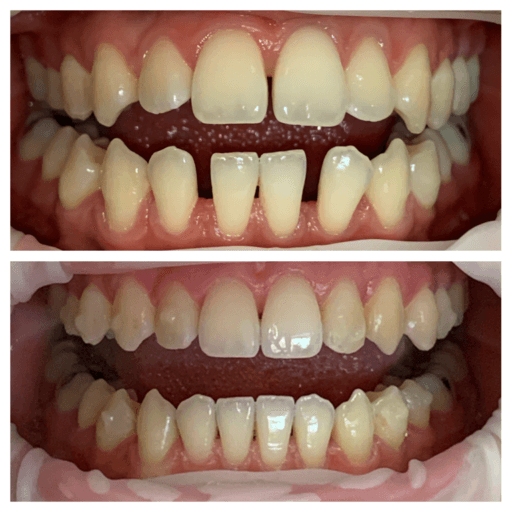
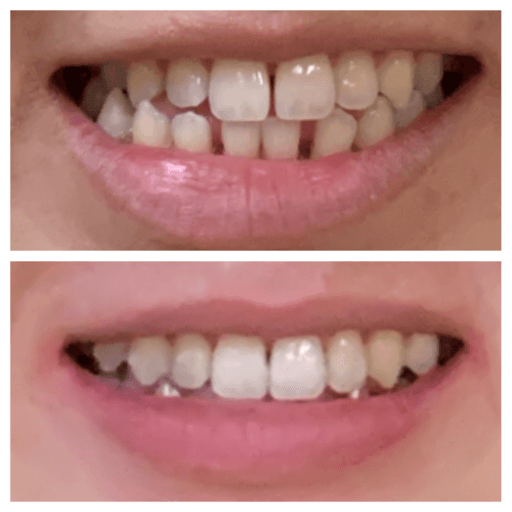
Individual results and treatment time vary with each case.
Your Invisalign Dentist

Frequently Asked Questions
- How long does Invisalign treatment take?
- Most treatments take about 6 to 18 months, depending on how far your teeth need to move and how consistently you wear your aligners. Minor corrections can be shorter. We give you an estimate with your 3D plan.
- How many hours a day do I need to wear my aligners?
- About 20 to 22 hours a day. Take them out only to eat, drink anything other than water, and brush. Leaving them out longer can slow treatment or keep teeth from moving as planned.
- Does Invisalign hurt?
- Most people feel pressure or mild soreness for a day or two after switching to a new set of aligners. That is normal and usually fades quickly. There are no wires or brackets to poke your cheeks.
- Can I eat normally with Invisalign?
- Yes. You remove your aligners to eat, so there are no food restrictions. Brush your teeth before putting them back in to keep food from being trapped against your teeth.
- Will people notice I am wearing aligners?
- Rarely. The aligners are clear and fit closely, so most people will not notice unless you point them out. Small tooth-colored attachments, if you need them, are designed to blend in.
- Am I a candidate for Invisalign?
- Most adults with crowding, gaps or common bite problems are good candidates. Very complex cases may do better with braces. A consultation and iTero scan are the best way to find out.
- Do I need a retainer after Invisalign?
- Yes. Teeth tend to shift back after any straightening treatment. Wearing a retainer as directed, usually nightly over the long term, keeps your results in place.
- Can I whiten my teeth during or after Invisalign?
- Yes. Many patients whiten with KöR once their teeth are straight, and we can plan whitening as part of your treatment from the start.
Ready to get started?
Schedule a consultation to discuss your Invisalign options.